We have shipping to all of Mexico. BUY NOW
February 12, 2026

What are the current problems may help to resolve the fungi thrive?

En el acelerado mundo actual, la constante atención al rendimiento, la competencia y la búsqueda de la perfección han provocado un aumento significativo, a menudo inadvertido, del estrés. Si bien los efectos nocivos del estrés suelen subestimarse, su influencia en nuestro bienestar es innegable, lo que lo convierte en un tema que requiere seria consideración.

El viejo dicho «el trabajo es salud» ya no se aplica como antes. La sociedad moderna y los entornos laborales ejercen una presión abrumadora sobre las personas. El estrés se ha convertido en parte común de la vida diaria y sus efectos son generalizados.

El estrés afecta a personas de todas las clases sociales y grupos de edad, aunque sus efectos varían según factores personales, profesionales y de salud.

En esencia, el estrés es una reacción natural a los acontecimientos y desafíos cotidianos. Funciona como un mecanismo de supervivencia, pero cuando se vuelve abrumador, puede tener efectos perjudiciales. El estrés puede tener diversas causas: físicas, emocionales, psicológicas o sociales.

Los hongos adaptógenos tienen la capacidad de mejorar la estabilidad del organismo frente a las cargas físicas sin aumentar el consumo de oxígeno. De esta forma, se asocian no solo con una mayor capacidad del cuerpo para adaptarse al estrés y mantener/normalizar las funciones metabólicas, sino también con un mejor rendimiento mental y físico [1,2,3].

A medida que crece nuestro aprecio por los hongos, hemos perfeccionado su cultivo para aprovechar mejor su potencial medicinal. Al comprender el papel ecológico de los hongos y sus redes miceliales, podemos integrarlos en la medicina naturopática para fortalecer y complementar los tratamientos convencionales. Estamos presenciando una ola revolucionaria de investigación en hongos medicinales, una que asombraría a nuestros antepasados ​​[4].

  1. Wagner, H.; Nörr, H.; Winterhoff, H. Plant adaptogens. Phytomedicine 1994, 1, 63–76. [Google Scholar] [CrossRef]
  2. Panossian, A.; Wikman, G.; Wagner, H. Plant adaptogens III. Earlier and more recent aspects and concepts on their mode of action. Phytomedicine 1999, 6, 287–300. [Google Scholar] [CrossRef]
  3. Oliynyk, S.; Oh, S.-K. Farmacología de los Actoprotectores: Aplicación práctica para la mejora del rendimiento mental y físico. Biomol. Ther. 2012, 20, 446–456. [Google Scholar] [CrossRef] [PubMed] [Green Version]
  4. https://www.ncbi.nlm.nih.gov/pmc/articles/PMC4684114/
February 12, 2026

What types of mushrooms, adaptogens are there and what are its potential benefits?

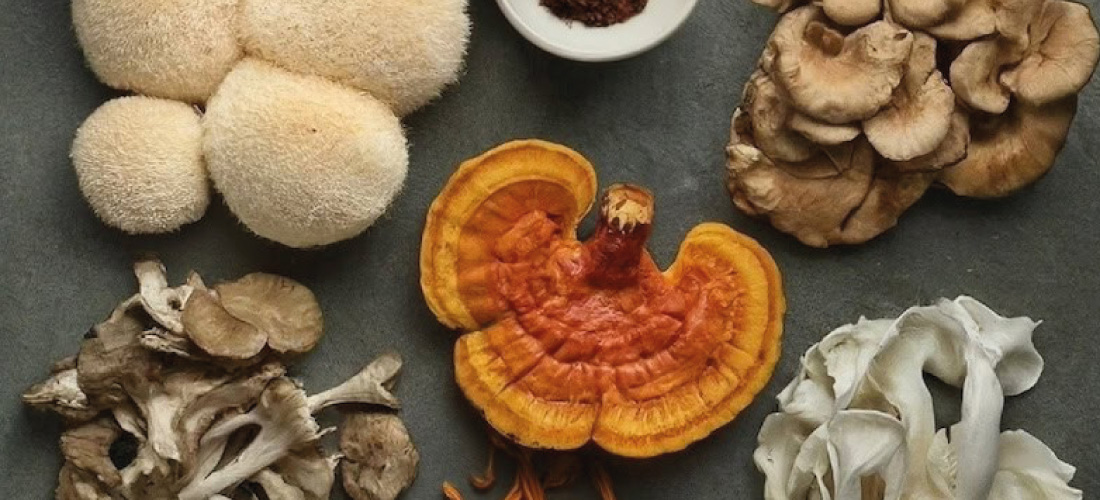
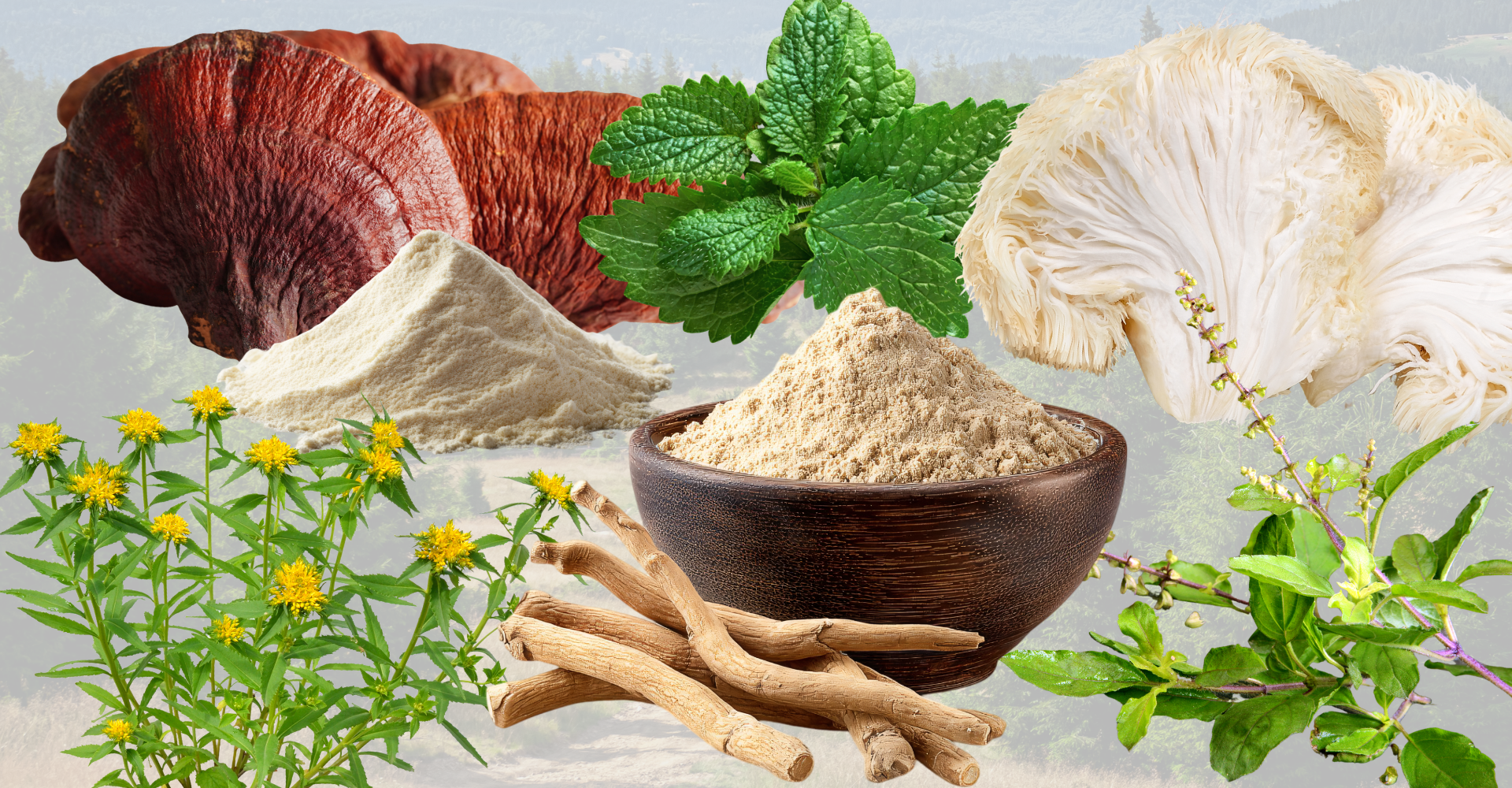
Fungi adaptogens are a unique group of fungi that have been used for centuries in traditional medicine, especially in eastern cultures. These fungi are known for their ability to help the body adapt to stress and restore balance, both physical and mental. Among the fungi thrive most popular are the reishi, cordyceps, the chaga, the mane of a lion, the agaricus blazei and physalis linteus.

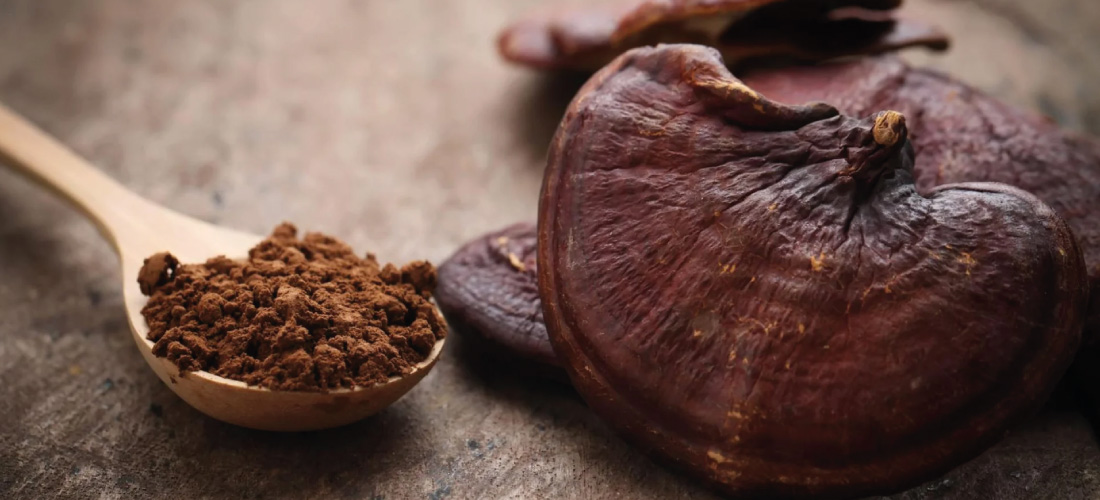
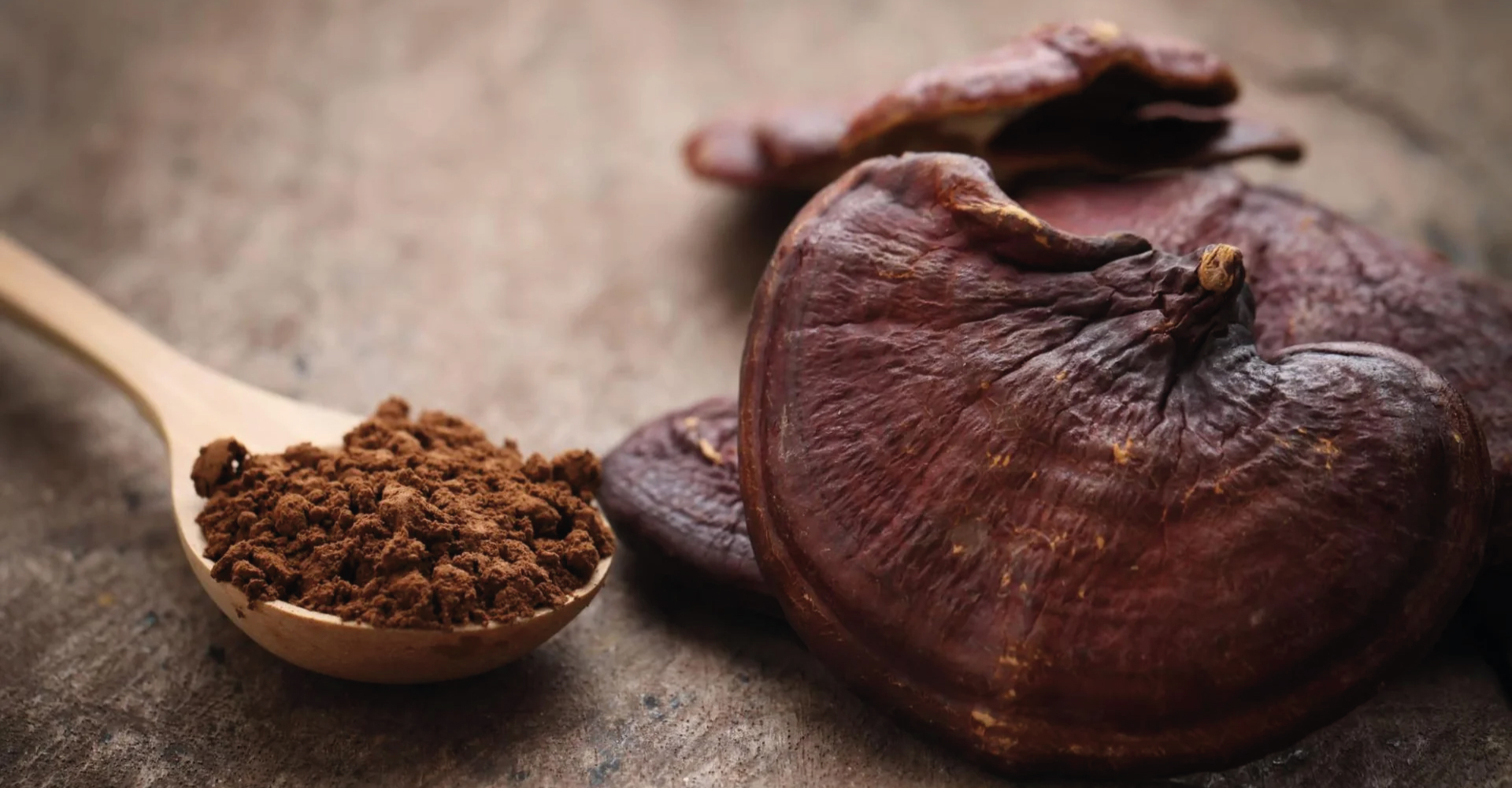
Reishi (Ganoderma lucidum)

Ganoderma lucidum, known as lingzhi in China and reishi in Japan, he received the nickname of “the mushroom of immortality” and is one of the medicinal mushrooms traditional more venerable (1).

Normally exhibit a morphology similar to a hoof or a fan, and grows mainly in the trunks of living trees and dead. Its distribution encompasses Asia, parts of Europe, America and Africa, (2, 3).

Ganoderma lucidum has been used for over two millennia (4). Historical records, such as the Herbal Classic of Shennong, which dates from the first century a. C., and contemporary sources as the Pharmacopoeia of China, document the properties tranquilizers of the G. lucidum (5). This effect An-Shen has been used for centuries in the treatment of conditions such as restlessness, insomnia and palpitations (6).

Its application spans a broad spectrum of ailments, including chronic liver disease, hypertension, neurasthenia, insomnia, bronchitis, gastric ulcer, diabetes, and cancer (7). Due to its purported health benefits, and the alleged absence of adverse effects, Ganoderma has earned a distinguished reputation in eastern cultures such as herbal remedy for excellence (8).

Ganoderma lucidum contain approximately 400 biomolecules active (16), among which are the beta-glucans (polysaccharides) and triterpenoids as ergosterol (provitamin D2) and ganoderic acids. In addition, this mushroom is rich in omega-3 fatty acids, amino acids, vitamins, minerals and other bioactive substances.

It has been documented that the triterpenoid derived from Ganoderma lucidum (GL) exhibit a remarkable efficacy as adjunctive therapy, improving health and contributing to the treatment of various diseases, such as prostate cancer, inflammation, atherosclerosis, diabetes and neurodegenerative diseases (11).

Recent findings have confirmed its effectiveness, demonstrating improvements in sleep patterns of patients with insomnia or other mental disorders (13,14).

Reishi has shown a remarkable potential antidepressant and anxiolytic because of its interaction with the 5-HT2A receptor, presenting favorable clinical results in the treatment of insomnia, restlessness and palpitations (15). In addition, reishi has shown the ability to regulate the production of interleukins, such as IL-6 and TNF-α-63, by linking its immunomodulatory function with its role adaptogenic.

In addition, several studies have elucidated the pharmacological activities of the extracts of Ganoderma lucidum on the nervous system and the disorders related to the central nervous system (17, 18).

Abate M, Pepe G, Randino R, Pisanti S, Basilicata MG, Covelli V, et al. Ganoderma lucidum Ethanol Extracts Enhance Re-Epithelialization and Prevent Keratinocytes from Free-Radical Injury. Pharmaceuticals (Basel). 2020;13(9). doi: https://doi.org/10.3390/ph13090224
Wang SH, Liang CJ, Weng YW, Chen YH, Hsu HY, Chien HF, et al. Los polisacáridos de Ganoderma lucidum previenen la proliferación de células musculares lisas estimulada por el factor de crecimiento derivado de plaquetas in vitro y la hiperplasia neointimal en la arteria sin endotelio in vivo. J Cell Physiol. 2012;227(8):3063-71. doi: https://doi.org/10.1002/jcp.23053
Pinya S, Ferriol P, Tejada S, Sureda A. reishi Mushrooms (Ganoderma lucidum), shiitake (Lentinela edodes), maitake (Grifola frondosa). In: Nabavi SM, Silva AS, editors. Nutritional supplements without vitamins or minerals: Academic Press; 2019. pp. 517-526. 9780128124918.
Bishop KS, Kao CH, Xu Y, Glucina MP, Paterson RR, Ferguson LR. De los 2000 años de Ganoderma lucidum a los recientes avances en nutracéuticos. Phytochemistry. 2015;114:56-65. doi: https://doi.org/10.1016/j.phytochem.2015.02.015
National committee of the Pharmacopoeia. Pharmacopoeia of the people's Republic of China. 11.ª ed. China Medical Science and Technology Press, editor. Beijing, China, 2020.

Cui XY, Cui SY, Zhang J, Wang ZJ, Yu B, Sheng ZF, et al. El extracto de Ganoderma lucidum prolonga el tiempo de sueño en ratas. J Eth-nopharmacol. 2012;139(3):796-800. doi: https://doi.org/10.1016/j.jep.2011.12.020
Sanodiya BS, Thakur GS, Baghel RK, Prasad GB, Bisen PS. Ganoderma lucidum: un potente macrohongo farmacológicamente activo. Curr Pharm Biotechnol. 2009;10(8):717-42. doi: https://doi.org/10.2174/138920109789978757
Lee KH, Morris-Natschke SL, Yang X, Huang R, Zhou T, Wu SF, et al. Recent advances in research on medicinal mushrooms, food and other herbal products used in traditional chinese medicine. Journal of traditional and complementary medicine. 2012;2(2):84-95.
Gavalda J, Portela C. 12 medicinal Mushrooms for your health: Hifas da terra.
(10)Abdel-Azeem AM

February 12, 2026

Nature's Ancient Secret History usage of Adaptogenic Mushrooms

Our ancestors have used mushrooms for thousands of years and have served an integral component of a medicinal practices across diverse cultures. (1).

China serves as the birthplace of Mycotherapy, where medicinal mushrooms have been utilized since time immemorial. They were formally described, systematized, and organized in the first herbal treatise, the Pen Tsao King, written around 200 BCE. Chinese pharmacopeia includes 270 species of medicinal mushrooms, with most of their uses and therapeutic properties outlined in the Compendium of Materia Medica (Pen Tsao Kang Mu) from 1575 (2).

Strangely, knowledge of the therapeutic virtues of mushrooms in the West likely dates back as far as in China. Despite relatively limited knowledge of the therapeutic properties of mushrooms in Europe, occasionally, surprises emerge that challenge the notion that mushrooms were neglected centuries ago. (2)

According to Traditional Chinese Medicine, the action of mushrooms is typically gradual, working from the innermost layers to the superficial levels of Qi (vital energy) from the internal organ systems to the conduit bodies/meridians.(3)

Despite this rich historical backdrop, it is only in recent times that modern science has rediscovered and substantiated the profound medicinal potential harboured within mushrooms, validating the ancestral wisdom that has long revered them as potent sources of therapeutic compounds (1).

  1. Stamets P, Zwickey H. Medicinal Mushrooms: Ancient Remedies Meet Modern Science. Integr Med (Encinitas). 2014;13(1):46-7.
  2. Gavalda J, Portela C. 12 medicinal Mushrooms for your health: Hifas da terra.
  3. Aung SK. The clinical use of mushrooms from a Traditional Chinese Medical perspective. Int J Med Mushrooms. 2005;7(3).
February 11, 2026

What are adaptogenic mushrooms?

The definition of an adaptogen was first proposed by Soviet scientists in the late 1950s, who described it as any substance that can affect both sick and healthy individuals by “correcting” dysfunctions without causing unwanted side effects, which served as the foundation for future research (1).

In the 1990s, scientists Hildebert Wagner, George Wikman, and Alexander Panossian conducted extensive studies on adaptogens, refining the concept. They defined adaptogens as a natural bioregulators that enhance the body’s ability to adapt to environmental stressors and reduces damage caused by those factors. Adaptogens were found to minimize the body’s stress response, reducing negative reactions during the alarm phase and mitigating or delaying the onset of the exhaustion phase associated with the general adaptation syndrome (2).

After more than fifty years of research, the definition of adaptogens has evolved. In 1998, the U. S. Food and Drug Administration (FDA) described adaptogens as a new type of metabolic regulator that aids in environmental adaptation and helps prevent external harm, marking a shift towards using adaptogens as a functional term (3)(4).

Adaptogenic properties are most commonly found in specific plants and mushrooms, with plant-based adaptogens being the most prevalent (5). Some mushrooms contain adaptogens that help the body adjust to both internal and external stressors, restoring balance and regulating various biological processes (6).

  1. https://www.sciencedirect.com/science/article/abs/pii/S0378874100001811
  2. https://www.scielo.br/j/rbfar/a/XH4QMTczHgcsSyxyRgsj9Mr/?lang=en
  3. https://pubmed.ncbi.nlm.nih.gov/9818799/
  4. https://www.ncbi.nlm.nih.gov/pmc/articles/PMC6240259/
  5. https://www.sciencedirect.com/science/article/abs/pii/S0944711322004330
  6. https://www.ncbi.nlm.nih.gov/pmc/articles/PMC9328747/

Search for products (0)

Back to Top
//
Any questions or comments about our products.
👋 Happy to help you
Product has been added to your cart