
La definición de adaptógeno fue propuesta por primera vez por científicos soviéticos a finales de la década de 1950; estos lo describieron como cualquier sustancia capaz de influir tanto en individuos enfermos como sanos mediante la “corrección” de disfunciones sin provocar efectos secundarios indeseados, sentando así las bases para futuras investigaciones (1).
En la década de 1990, los científicos Hildebert Wagner, George Wikman y Alexander Panossian llevaron a cabo estudios exhaustivos sobre los adaptógenos, refinando el concepto. Definieron los adaptógenos como biorreguladores naturales que potencian la capacidad del organismo para adaptarse a los factores estresantes ambientales y reducen el daño causado por dichos factores. Se observó que los adaptógenos minimizan la respuesta del cuerpo ante el estrés, disminuyendo las reacciones negativas durante la fase de alarma y mitigando o retrasando la aparición de la fase de agotamiento asociada al síndrome general de adaptación (2).
Tras más de cincuenta años de investigación, la definición de adaptógeno ha evolucionado. En 1998, la Administración de Alimentos y Medicamentos de los Estados Unidos (FDA) describió los adaptógenos como un nuevo tipo de regulador metabólico que facilita la adaptación al entorno y ayuda a prevenir daños externos, marcando un cambio hacia el uso del término “adaptógeno” en un sentido funcional (3)(4).
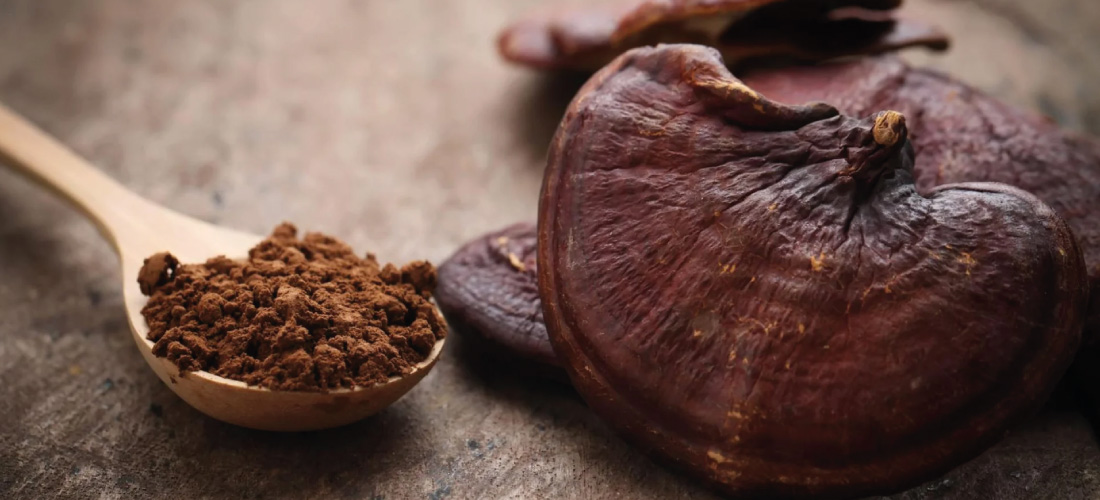
Las propiedades adaptógenas se encuentran principalmente en plantas y hongos específicos, siendo los adaptógenos de origen vegetal los más comunes (5). Algunos hongos contienen adaptógenos que ayudan al organismo a adaptarse a factores estresantes tanto internos como externos, restableciendo el equilibrio y regulando diversos procesos biológicos (6).
- https://www.sciencedirect.com/science/article/abs/pii/S0378874100001811
- https://www.scielo.br/j/rbfar/a/XH4QMTczHgcsSyxyRgsj9Mr/?lang=en
- https://pubmed.ncbi.nlm.nih.gov/9818799/
- https://www.ncbi.nlm.nih.gov/pmc/articles/PMC6240259/
- https://www.sciencedirect.com/science/article/abs/pii/S0944711322004330
- https://www.ncbi.nlm.nih.gov/pmc/articles/PMC9328747/